
About us
CIRCBUILT : CIRCular biobased materials for the BUILT environment
Solutions to mitigate the embodied carbon emissions in the construction sector are not yet a reality. The building and construction sector are responsible for approximately 37% of global energy and process-related CO₂ emissions, highlighting its critical role in addressing climate change (United Nations Environment Programme, 2023). Considering the environmental impact of this sector, bio-based products made from secondary bio-based materials are a promising solution.
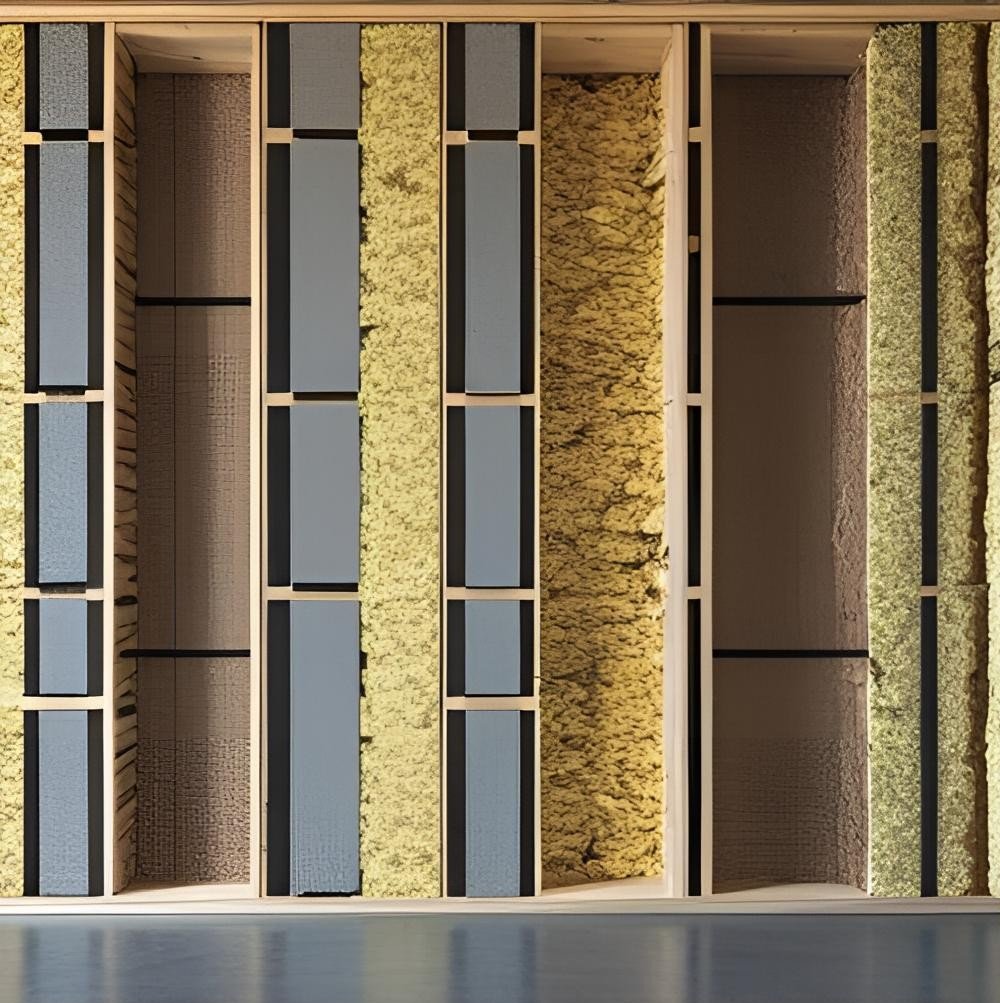
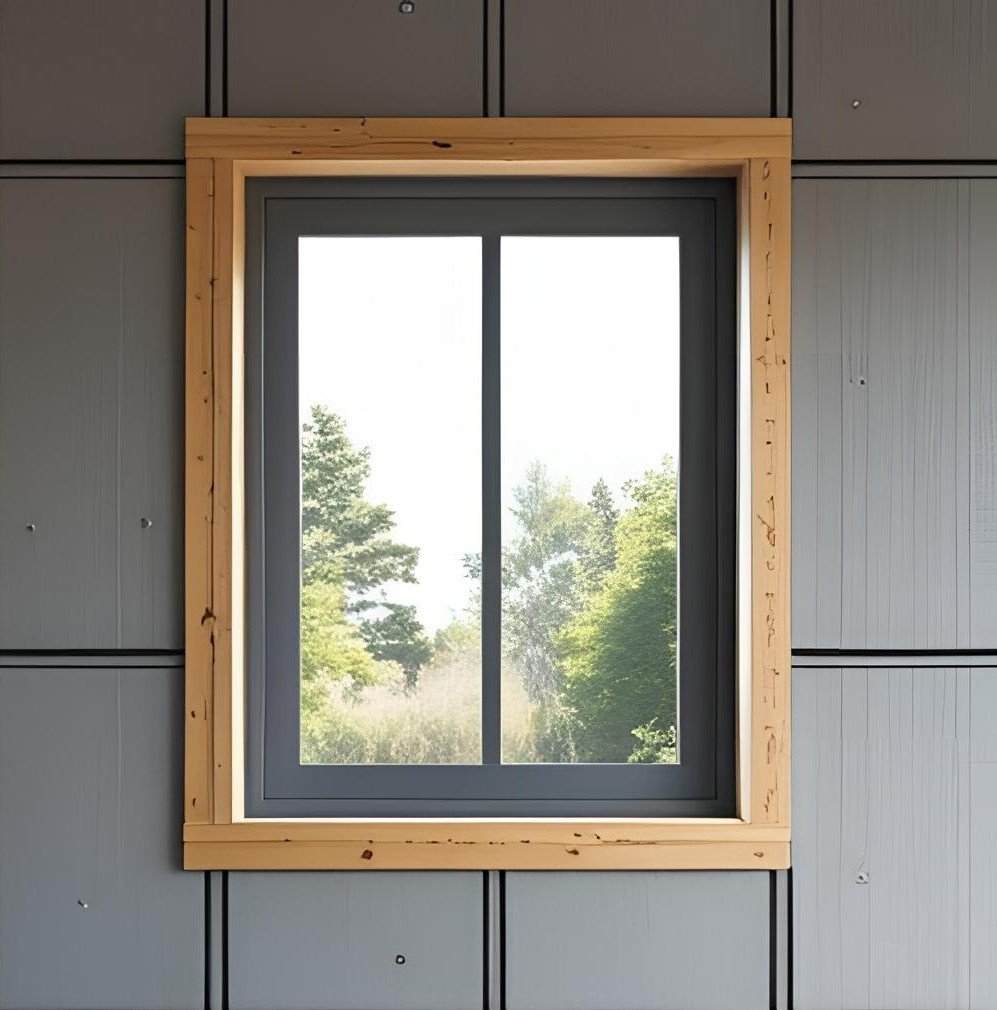
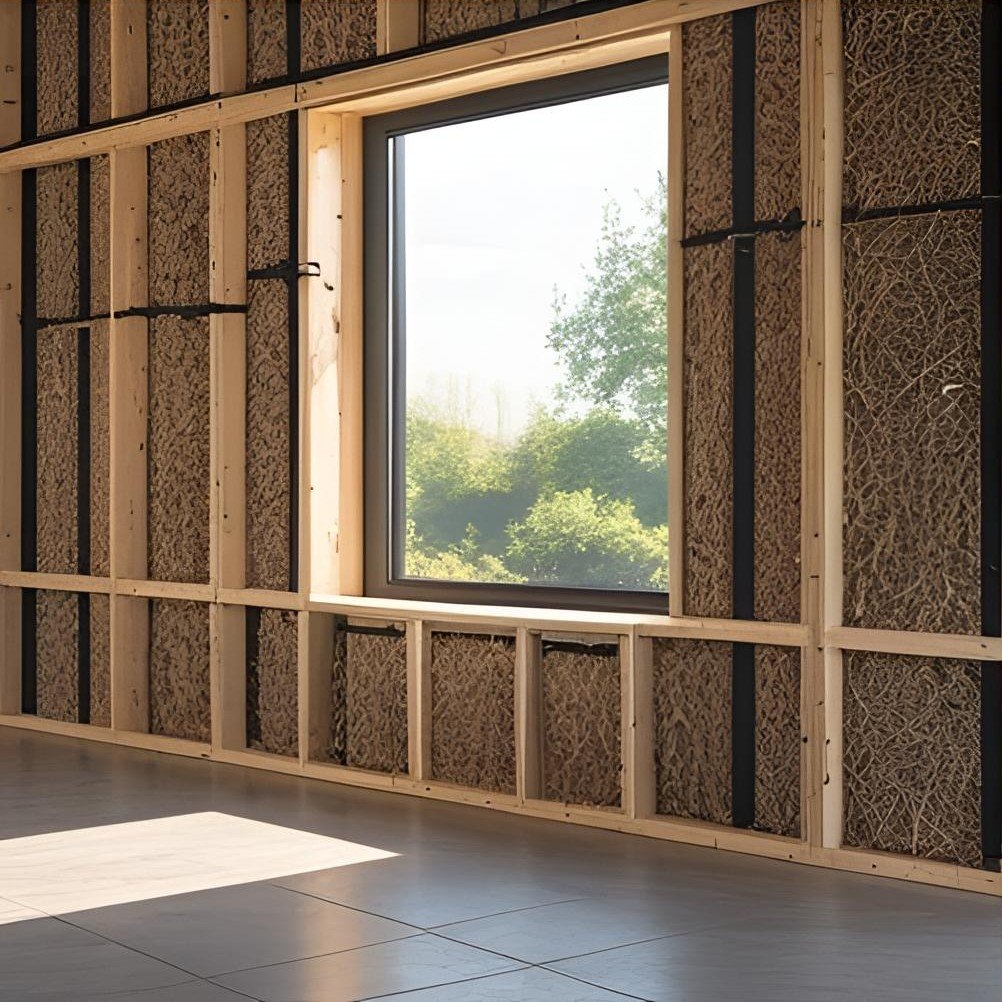
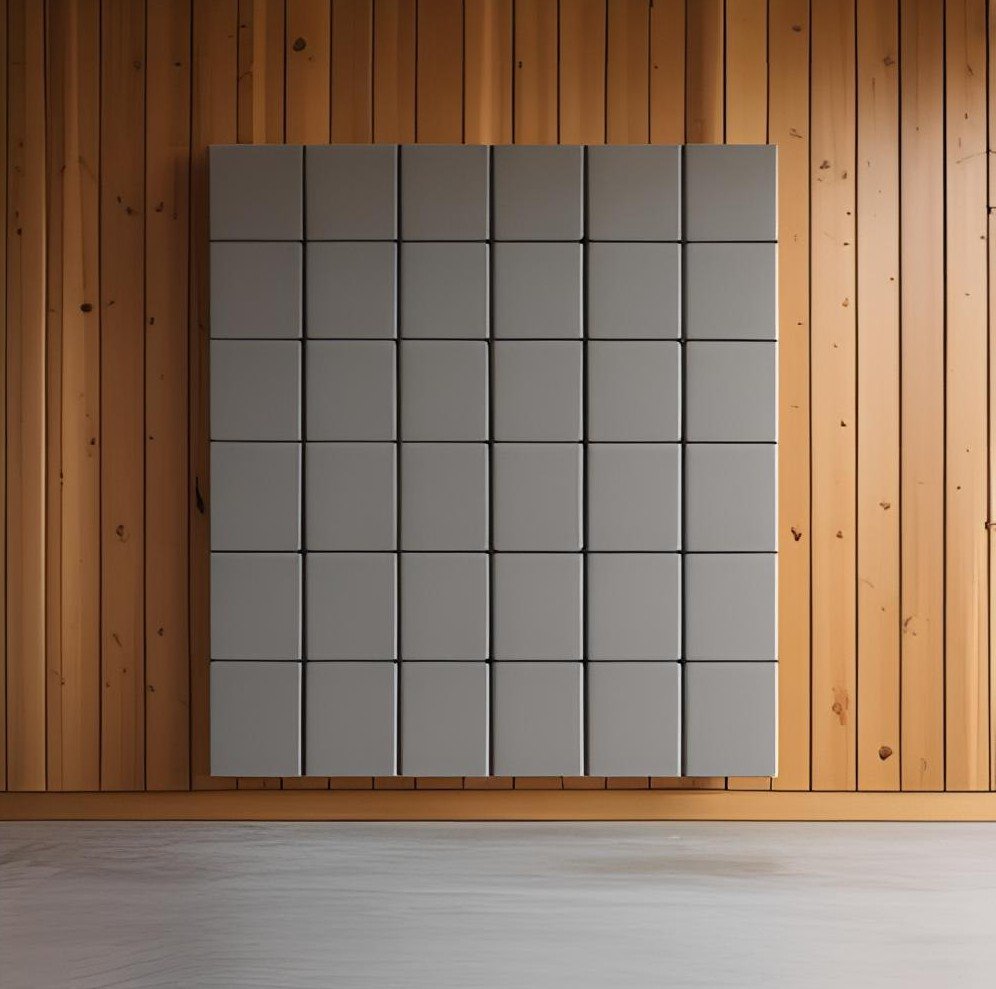
The project CIRCBUILT develops a high value-added pathway for bio-based waste sources of lignocellulose to build products that otherwise are used in lower value applications (energy, landfill, feed for instance). The main objective of CIRCBUILT is to develop and validate 4 different types of products 100% made from secondary bio-based materials for the construction sector.
These 4 products are the following :
- Thermal insulation panels
- Construction panels
- Adapting cooling windows
- Indoor acoustic panels
How ?
1
Target large volume sources of lignocellulosic secondary bio-based materials and maximise their mapping coverage and the number of industries providing it across Europe
2
Provide 3 safe intermediate bio-based components based on resource-efficient processing and with broad market potential
3
Validate at a hight level of technology Readiness Level (TRL5) for 4 different types of products co-designed with stakeholders and 100% made from bio-based secondary material
4
Lay out the ground for the commercialisation of the products and the creation of new circular value chains in Europe in accordance with the cascading principles
CIRCBUILT is a 3-year project gathering 12 partners from 6 different European countries. The consortium, led by the Technical Research Centre of Finland (VTT) includes a well-balanced mix of expertise. The project is funded by the European Commission under the New European Bauhaus initiative (HORIZON-MISS-2024-NEB-01-01). The project gathers 4 RTOs (Reasearch and Technology Organisations), 3 universities and 5 industries (small and medium size enterprises) to propose a novel pathway for bio-based wastes of lignocellulose from the agricultural, agrofood and forestry industries.
Partners
12 partners from 5 countries
The consortium, led by VTT, includes a well-balanced and comprehensive mix of expertise: innovation for product development (VTT, INRAE, BFH, AISTI), architecture, design and stakeholder engagement (ZHAW, AIT), circular value chain creation (SEITISS), material processing, characterisation and standardisation (ENVI, CERTI). This integrative approach ensures the project’s outputs are not only technologically advanced but also meet market needs and sustainability goals. To ensure maximised exploitation of the project results, a Stakeholder Forum will be created, gathering members and will follow actively the progress and results to maximize their exploitation.
Countries with Partners
Currently Selected Country
To ensure that each partner has access to proper resources to carry out its defined activities, the total budget is 590,635€ and the total requested European contribution reaches 660,940€. The distribution of funding is well balanced between partners according to their role in the project. A balance is found between technology developers (VTT, INRAE, BFH, AISTI) and the supportive and strategic partners (ZHAW, AIT, STRANE, SEITISS, CERTI, LUT, ENVI, EQY) with respectively 53% and 47% of the budget. BFH and ZHAW both located in Switzerland are hence part of the project as associated partners and will contribute to this project with a financial contribution of respectively 590,635€ and 660,937€ from the Swiss State Secretariat for Education, Research and Innovation (SERI).
Why ?
The New European Bauhaus initiative
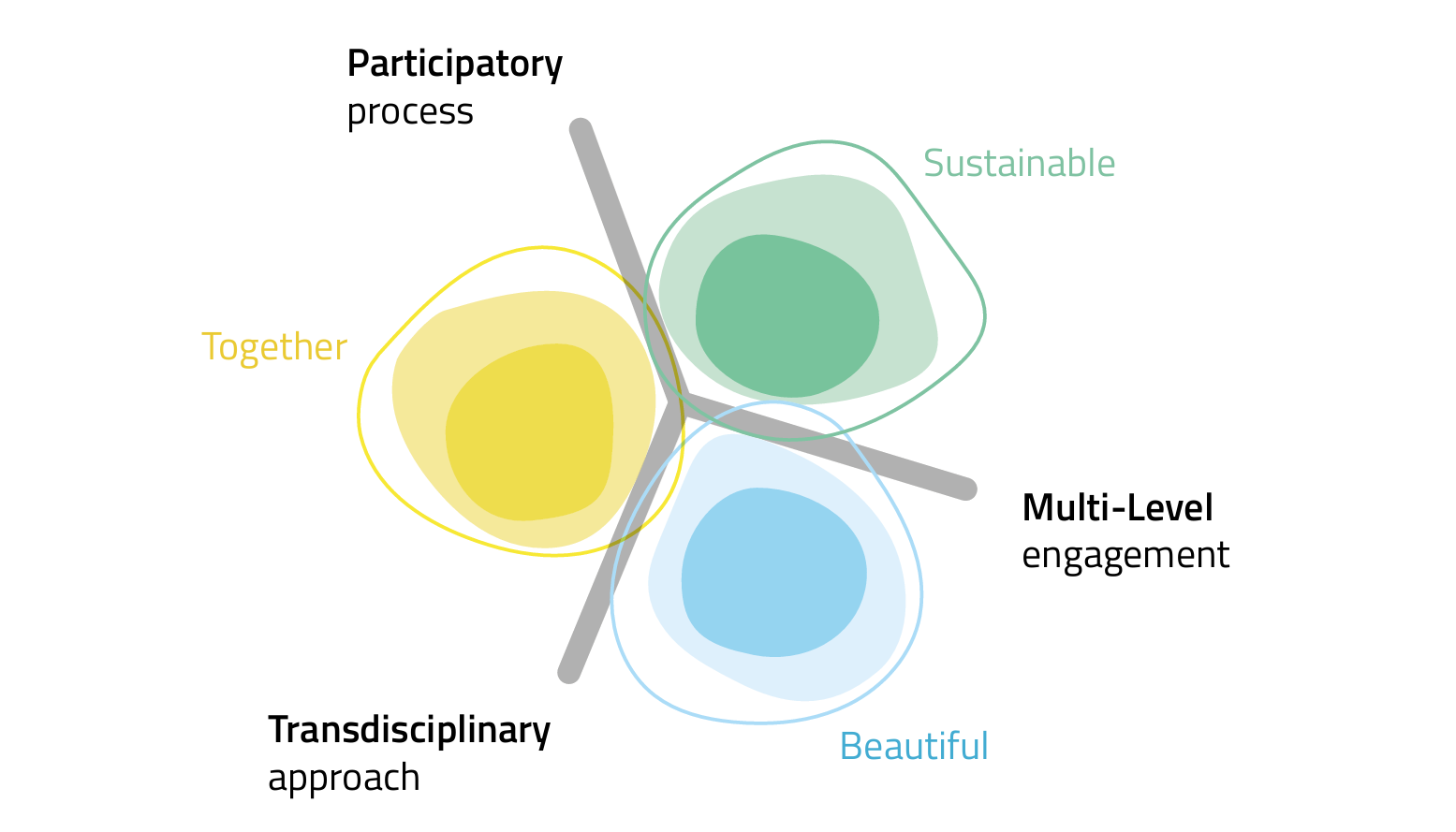
The development of bio-based products is part of the New European Bauhaus (NEB) initiative, and the objectives of CIRCBUILT are in line with NEB’s values and principles. The values of the NEB are :
- sustainability, from climate goals to circularity, zero pollution, and biodiversity
- aesthetics, quality of experience and style beyond functionality
- inclusion, from valuing diversity to securing accessibility and affordability
An important principle promoted both by our project and by the NEB policy is the cascading principle. The cascading principle states that natural resources should be used and recycled for as long as possible, and allocated to the most valuable purposes possible at each stage, Olsson, O. (2017).
When ?
Project start date: 01/05/2025
Project end date: 30/04/2028